Anisongs
This is no coincidence. The influx of K-pop artists into anime theme songs has accelerated dramatically in recent years. And when you observe these movements carefully, what emerges is not just a simple "collaboration boom" but a clear, deliberate intent.
The Logic of "Planting Seeds" Through Beyblade
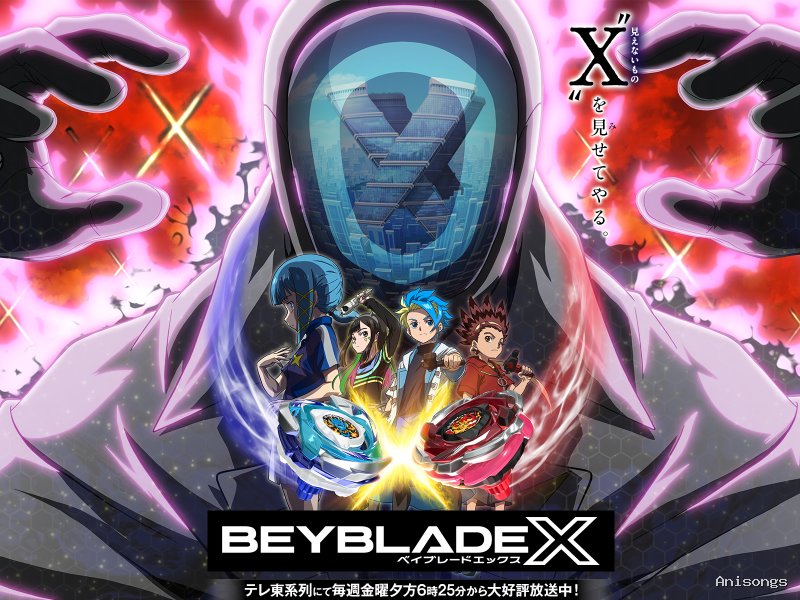
Let's take a closer look at the theme song lineup for *BEYBLADE X*.
When it premiered in October 2023, ONE OK ROCK handled the OP while the Korean girl group aespa performed the ED. In subsequent arcs, they were replaced by L'Arc~en~Ciel and Perfume, and then (G)I-DLE — a five-member Korean girl group — took over the OP.
The key point here is that Beyblade is "content enjoyable for kids from early elementary school." Serialized in CoroCoro Comic and broadcast on TV Tokyo's network on Friday evenings, this anime's audience consists of children whose musical tastes haven't yet solidified.
Delivering K-pop artists' music to that demographic every week. This isn't coincidence — I see it as long-term market cultivation.
Remember what I wrote in the first installment: the structure is the same as when Japanese record labels leveraged anime tie-ups as promotional platforms in the 90s. The difference is that the protagonist this time isn't "Japanese record labels" but "the Korean entertainment industry." Music that becomes familiar in childhood stays with you into adulthood. Is it too much to suggest this is a calculated move, looking ahead to what kind of music market the generation raised on Beyblade theme songs will form in ten years?
The Accelerating K-POP × Anime Connection
It's not just *BEYBLADE X*. The intersection of K-pop and anime has exploded in recent years.
In fall 2024, &TEAM performed "Beat the odds" as the OP for *Trillion Game*. &TEAM is a global boy group under Korea's HYBE label, centered around Japanese members. In the past, BoA sang an OP for *FAIRY TAIL*, ENHYPEN performed the theme for water polo anime *Re-Main*, and TVXQ once sang a *ONE PIECE* theme. But these were sporadic occurrences.
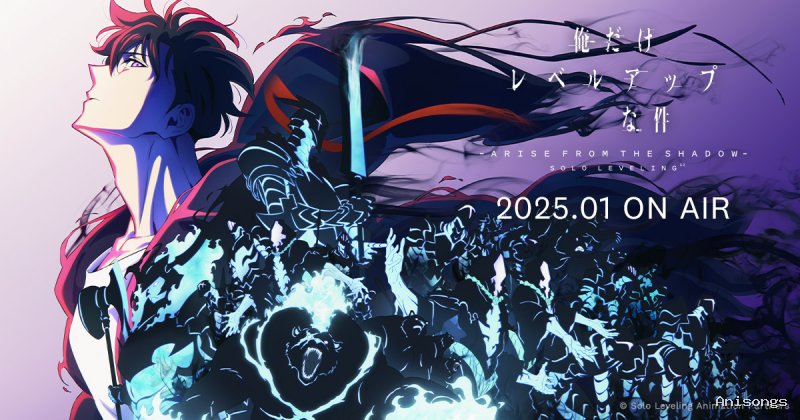
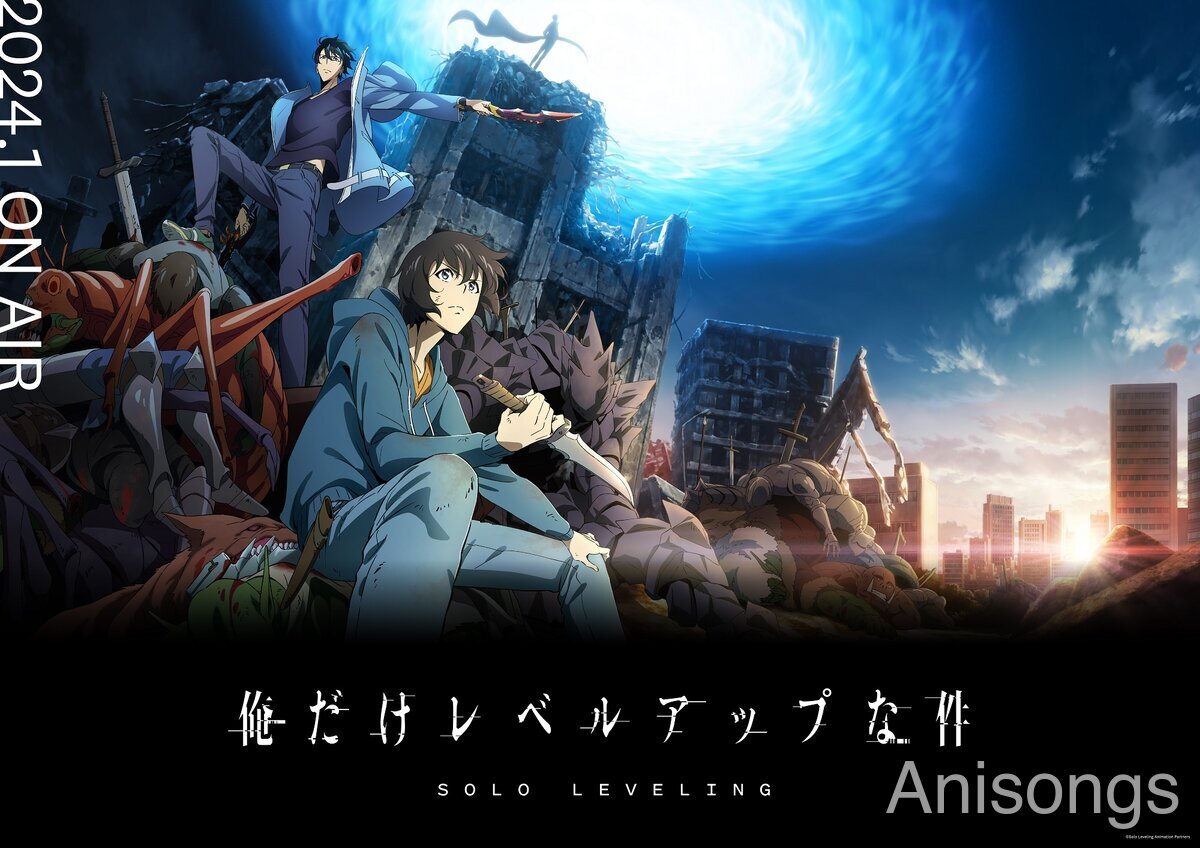
By 2025, the trend had clearly shifted. LiSA and Stray Kids' Felix's "ReawakeR," produced by Hiroyuki Sawano — right at the heart of Japan's anisong production mainstream — was a track where Japanese and Korean artists fused together. It's no longer accurate to say "K-pop artists are singing anime themes." Rather, "K-pop is being integrated into the production structure of anisong itself."
Why Anime? The Logic from K-POP's Perspective
Let's shift perspectives here. From K-pop's viewpoint, what does Japanese anime represent?
The answer is simple: anime is the world's most powerful content distribution network.
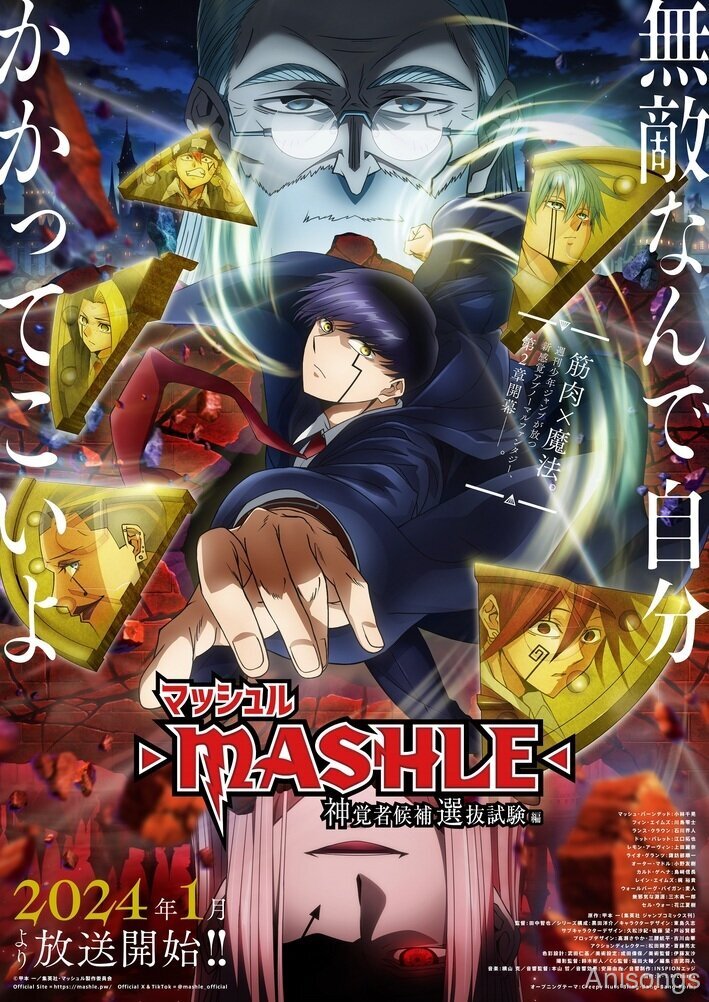
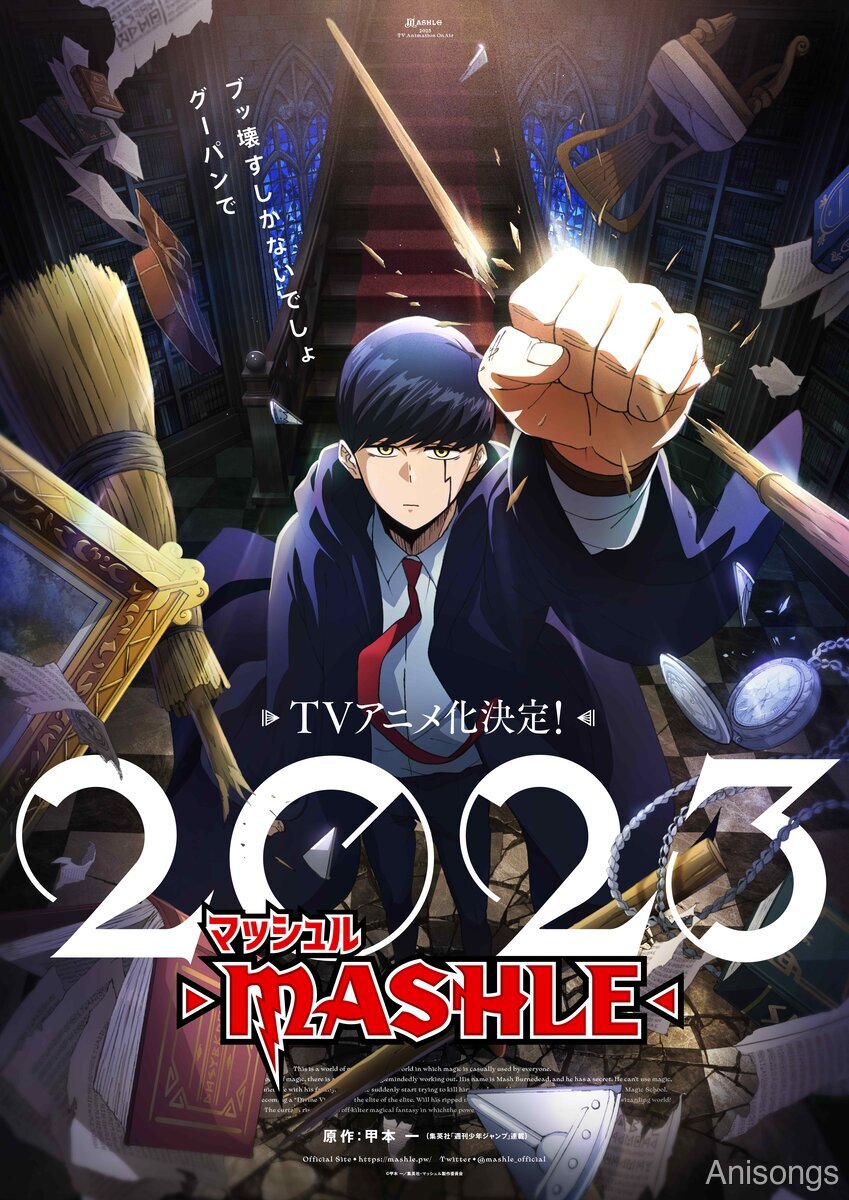
The K-pop industry has already achieved overwhelming success in global expansion. But the audience reachable through music alone differs from the audience anime can reach. In the Japanese market especially, anime theme songs are a channel that can explosively boost a song's recognition. Creepy Nuts' "Bling-Bang-Bang-Born" becoming a worldwide viral hit was only possible because of the anime *Mashle* as a platform.
There's no way K-pop's entertainment industry would overlook this structure. Moreover, Japanese anime is broadcast and streamed in over 80 countries and territories. They can reach listeners worldwide not just through the Japanese market, but via anime as a conduit.
A Replay of the 90s, or Something New?
In the first installment, I wrote that the anime tie-ups of the 90s were largely driven by record label business interests. K-pop's entry into anime is, in that sense, a repetition of the same structure.
However, there's one crucial difference. The 90s tie-ups were designed for the domestic Japanese CD market. What's happening now plays out on the global stage — a cross-border entertainment strategy. On the platform of anime, a Japanese-born medium, the music industries of Japan and Korea are beginning to fuse.
How to evaluate this will vary from person to person. Some may feel alarm that "anisong is being encroached upon by foreign forces." But I actually think an exciting era has arrived.
Just as tie-ups that began with marketing logic in the 90s ended up dramatically raising the quality of anisong, K-pop's entry has real potential to bring fresh stimulus to the genre. What LiSA and Felix's "ReawakeR" demonstrated was the possibility not of confrontation, but of fusion.
The question is how Japanese artists and creators will position themselves within this current. "Beyond the Anisong" — the other side of anisong includes the other side of national borders too. I want to keep following that landscape.
Next time, I want to write about an even bigger wave. Guns N' Roses scoring the ending of a Gundam film — in an era when Western music legends are entering anime, how is the world of anisong changing?