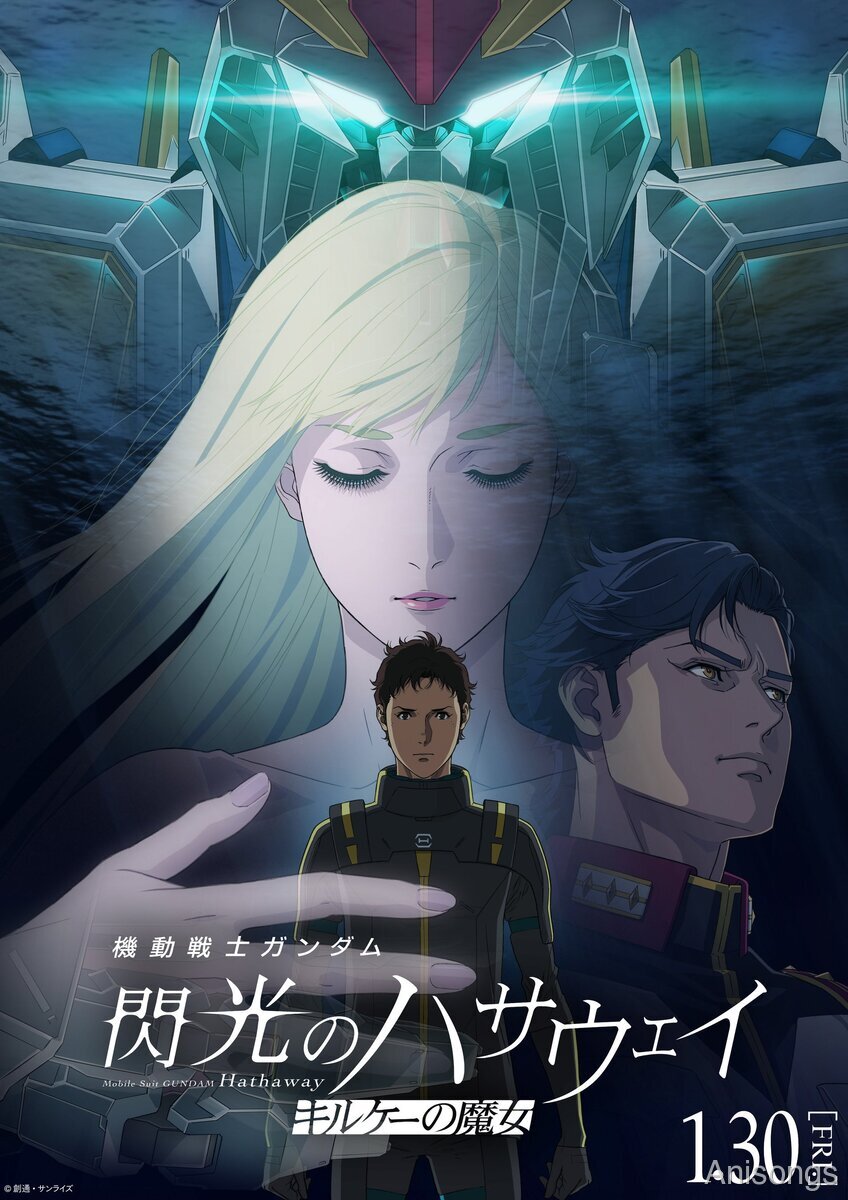
Then the screening ends, the credits roll, and Slash's iconic guitar riff thunders through the theater. Guns N' Roses' "Sweet Child O' Mine" — a song that hit No. 1 in the US in 1988, with a music video surpassing 2.1 billion views on YouTube. A song etched into rock history.
SZA on the OP, Guns N' Roses on the ED. In a single anime film, the present and the legend of America's music scene coexist. In that moment, I became certain of something: anime music has entered an era that can no longer be contained by the word "anisong."
"I Didn't Think It Was Possible" — Director Shuko Murase's Words
What's remarkable is that this choice was a gamble even for the production side.
Director Shuko Murase revealed in a Febri interview that he had wanted to use the Guns N' Roses track from the concept stage, while candidly admitting, "I didn't think it was possible. But then it actually happened..." Regarding SZA, he said he thought "getting permission would be even harder than for the ending," worried about whether her image and Gundam's image would align.
Yet both licenses were secured. The implications are significant. Both SZA and Guns N' Roses saw value in providing their music to a Japanese anime film. SZA had collaborated with Kendrick Lamar on the Marvel film *Black Panther* and was nominated for an Academy Award. For her, providing music to visual works was something done within the Hollywood context. Now that same thing is happening within the context of Japanese anime.
What Hollywood Had, What Anime Has Gained
There was a time when a world-class artist's song becoming a film theme meant a Hollywood movie OST (Original Soundtrack). Aerosmith sang for *Armageddon*, Céline Dion for *Titanic*, Adele for *007: Skyfall*. Hollywood movie soundtracks functioned as global promotional engines, playing simultaneously in theaters worldwide.
Now, anime is beginning to assume that role.
*Hathaway's Flash — Witch of Circe* grossed 850 million yen in just three days, and the momentum continued. But the domestic figures aren't what matters most. The Gundam IP extends to over 80 countries and territories, and the previous film was distributed internationally via Netflix. This installment is expected to follow suit. Guns N' Roses' music will reach anime fans not just in Japanese theaters, but around the world.
Interestingly, Guns N' Roses announced a concert in Adelaide, Australia after the film's release. Adelaide is a central city in the film's narrative — where the Earth Federation's Central Cabinet Meeting takes place. Gundam fans on social media joked, "Hope Mafty doesn't attack." A moment where anime and reality connected. It may have been coincidence. But the fact that being featured in anime has become a "worthwhile choice" for world-class artists is no coincidence at all.
Anime as an "Entertainment Platform"
In the first installment, I wrote about the structure of 90s anime tie-ups by Japanese record labels. In the second, I covered K-pop's long-term market cultivation. This third installment's topic — the entry of major Western artists — exists on that same continuum, yet operates on a different plane entirely.
If K-pop's anime foray is "market cultivation by the Korean entertainment industry," then the involvement of Western legends like Guns N' Roses is proof that "anime has been recognized as a global entertainment platform."
In hindsight, this was perhaps an inevitable progression. As anime streaming platforms (Crunchyroll, Netflix, Disney+, etc.) penetrated audiences worldwide, anime transformed from "Japanese subculture" to "global entertainment infrastructure." For artists wanting to reach listeners worldwide, anime is becoming a promotional channel that rivals — or perhaps surpasses — film.
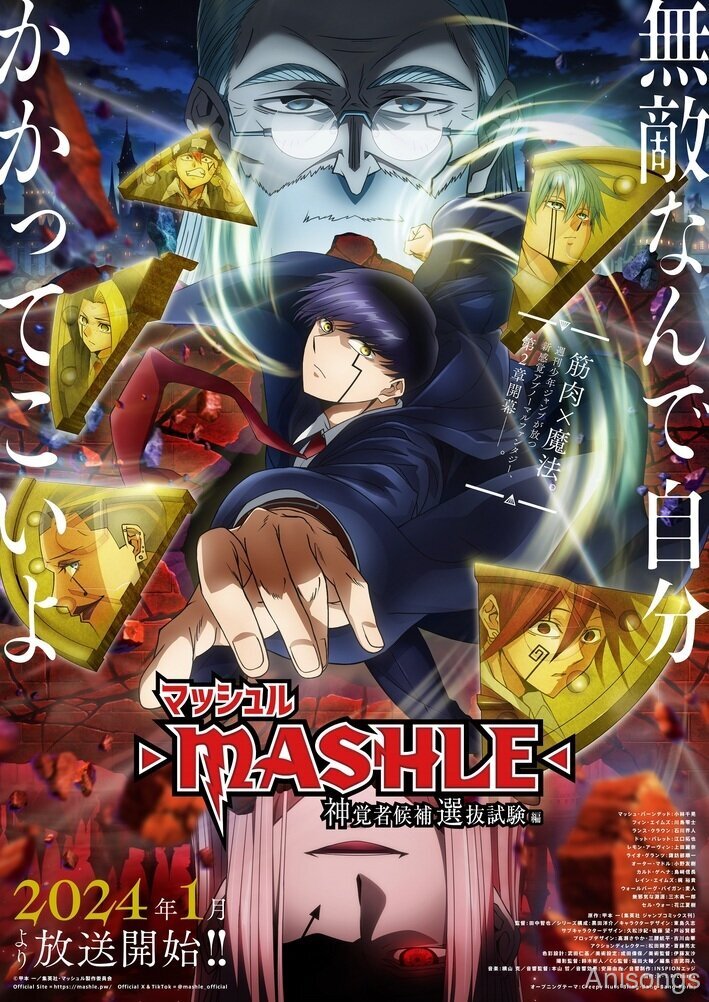
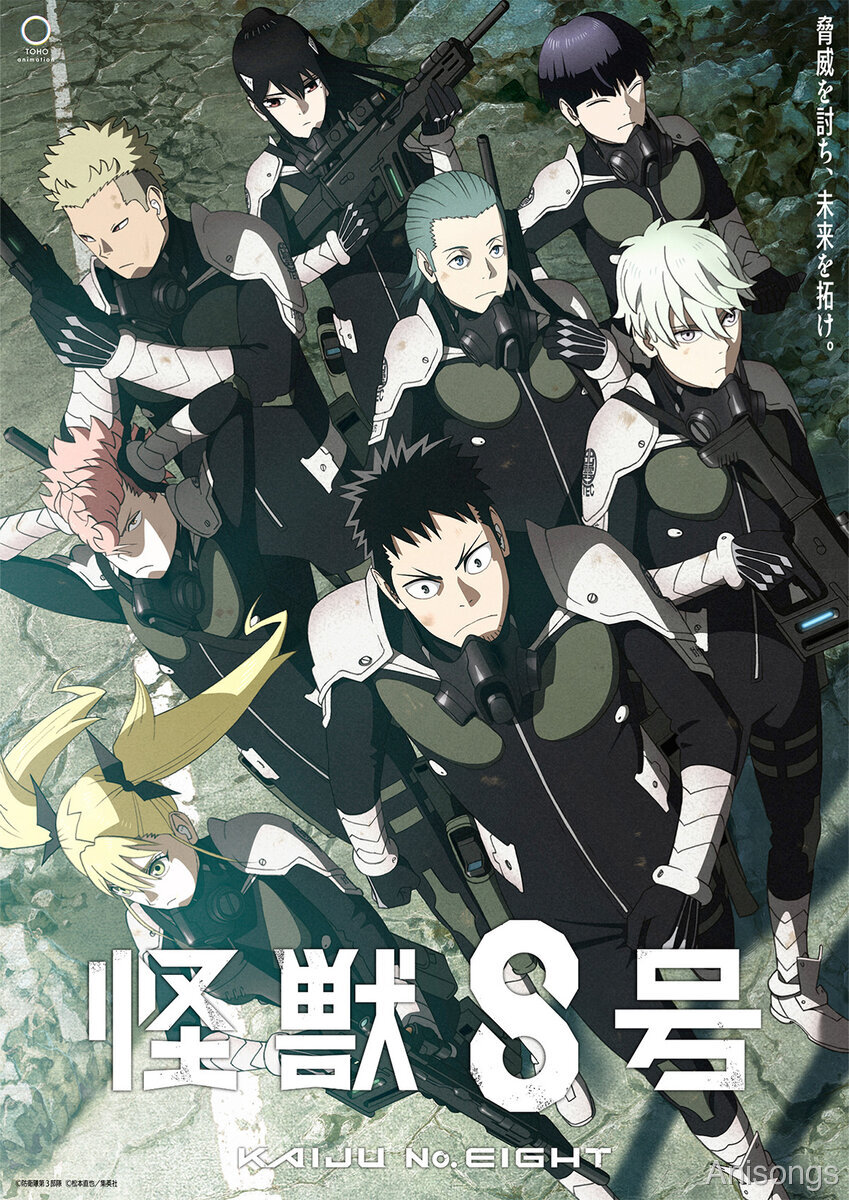
The global music community watched Creepy Nuts' "Bling-Bang-Bang-Born" become a worldwide viral hit through the anime *Mashle*. For *Kaiju No. 8* Season 2, Norwegian singer AURORA performed the OP. This is no longer a field reserved for Japanese artists alone.
The Day Anime OSTs Become the "World's Soundtrack"
Just as Hollywood movie OSTs have targeted the global market, anime OSTs will now compete on the same plane. When that happens, the environment surrounding anime music will transform dramatically.
Talent from around the world will enter anime's 90-second format. This might threaten anisong's "Japanese-ness." But it also carries the potential for unprecedented diversity and quality competition.
We know that 90s anime tie-ups ultimately raised anisong quality dramatically. As I wrote last time, K-pop's entry is bringing fresh stimulus to anisong. And now, an era has begun where Western music's biggest names provide songs for anime.
SZA's delicate R&B flows over a Gundam opening, and Guns N' Roses' guitar riff thunders through the end credits. It may seem like a surreal scene. But Beyond the Anisong — on the other side of anisong lies an impossibly vast musical landscape where talent from around the world converges.
An era where the world's talent gathers in the realm of anime music has begun.
Next time, I want to write about one director at the very frontier. Shinichiro Watanabe — the man who embodied the fusion of music and anime with *Cowboy Bebop*. One look at the musicians he assembled for his latest work *LAZARUS* makes it crystal clear where anime music is headed.